How Much Do Surgical Lights Cost in India? Complete Price Breakdown 2026

How Much Do Surgical Lights price in India? Complete Price Breakdown 2026 Introduction One of the first questions hospital administrators and procurement officers ask when planning OT equipment is: “How much do surgical lights cost?” The answer isn’t straightforward because surgical light pricing varies dramatically based on technology, specifications, features, and manufacturer. A basic examination light might cost ₹1,20,000, while a premium twin-dome LED surgical light system can exceed ₹20,00,000. This comprehensive pricing guide provides you with actual market prices for 2026, breaks down what you’re paying for at each price tier, explains the factors that influence surgical light costs, and most importantly, helps you understand the total cost of ownership beyond the sticker price. Whether you’re setting up a new hospital, upgrading existing equipment, or comparing quotes from different manufacturers, this guide will help you budget accurately and make informed purchasing decisions. Understanding Surgical Light Price Ranges Important Note: Prices mentioned are approximate market ranges in India as of 2026 and can vary based on manufacturer, specifications, location, bulk orders, and negotiation. Always get current quotes from multiple vendors. Price Breakdown by Product Category 1. LED Examination Lights Basic/Portable Models: Price Range: ₹1,20,000 – ₹2,50,000 Typical Specifications: Illumination: 20,000-40,000 lux CRI: 85-90 Single dome Mobile/floor-mounted Basic intensity adjustment 1-2 year warranty Premium Examination Lights: Price Range: ₹2,50,000 – ₹4,00,000 Enhanced Features: Illumination: 40,000-60,000 lux CRI: 90-95 Better build quality Multiple positioning options LED lifespan 40,000+ hours 3-5 year warranty Best For: Clinics, diagnostic centers, examination rooms, minor procedure rooms 2. Single Dome LED Surgical Lights Budget Category: Price Range: ₹1,80,000 – ₹3,50,000 Specifications: Illumination: 60,000-90,000 lux CRI: 85-90 Basic LED configuration Standard shadow control Manual focus adjustment 1-2 year warranty Basic intensity control Mid-Range Category: Price Range: ₹3,50,000 – ₹6,50,000 Specifications: Illumination: 90,000-120,000 lux CRI: 90-95 Quality LED arrays Good shadow dilution Multiple adjustment options Color temperature stability 3 year warranty Better build quality Premium Category: Price Range: ₹6,50,000 – ₹10,00,000+ Specifications: Illumination: 120,000-140,000 lux CRI: 95+ Advanced LED technology Excellent shadow control Full adjustability (intensity, focus, field size) Touchless controls (optional) Integrated camera (optional) 5+ year comprehensive warranty Superior heat management Best For: General surgery, gynecology, orthopedics, ENT, minor surgical procedures 3. Twin Dome LED Surgical Lights Budget Category: Price Range: ₹4,50,000 – ₹7,50,000 Specifications: Combined illumination: 120,000-160,000 lux CRI: 85-90 Independent dome control Basic shadow elimination Standard warranty (1-2 years) Manual adjustments Mid-Range Category: Price Range: ₹7,50,000 – ₹12,50,000 Specifications: Combined illumination: 160,000-200,000 lux CRI: 90-95 Superior shadow control Each dome independently adjustable Better positioning systems 3 year warranty Quality components Premium Category: Price Range: ₹12,50,000 – ₹20,00,000+ Specifications: Combined illumination: 200,000+ lux CRI: 95+ Professional-grade shadow elimination Advanced control systems Full feature set (camera, touchless, presets) Hospital-grade durability 5+ year comprehensive warranty Modular design for easy maintenance Best For: Major surgery, neurosurgery, cardiovascular surgery, complex orthopedic procedures, teaching hospitals 4. Mobile/Portable Surgical Lights Basic Mobile Lights: Price Range: ₹1,20,000 – ₹2,50,000 Features: Single dome Illumination: 40,000-80,000 lux Wheeled floor stand Basic positioning Battery backup (optional) Advanced Mobile Lights: Price Range: ₹2,50,000 – ₹5,00,000 Features: Illumination: 80,000-120,000 lux Superior stability Better positioning control Battery backup included Quick setup/teardown More robust construction Best For: Minor procedure rooms, emergency departments, mobile surgical units, multi-purpose spaces 5. Specialized Surgical Lights Dental/Specialty Lights: Price Range: ₹1,50,000 – ₹4,00,000 Focused illumination for specialized procedures LED OT Lights with Integrated Cameras: Price Range: Add ₹2,00,000 – ₹5,00,000 to base light cost HD camera integration for recording/streaming Smart/Connected Surgical Lights: Price Range: ₹15,00,000 – ₹25,00,000+ IoT integration, centralized control, advanced features Halogen Surgical Lights (Legacy Technology) Note: Halogen lights are being phased out but are still available: Single Dome Halogen: Price Range: ₹80,000 – ₹2,50,000 Lower upfront cost but much higher operating costs Twin Dome Halogen: Price Range: ₹2,00,000 – ₹5,00,000 Not recommended for new installations due to: High energy consumption Frequent bulb replacements Excessive heat output Short lifespan What You’re Paying For: Price Factor Breakdown Understanding what drives surgical light pricing helps you evaluate value: 1. LED Quality and Technology (25-30% of Cost) Budget Lights: Generic Chinese LEDs Lower CRI (85-90) Shorter lifespan (30,000-40,000 hours) Color temperature inconsistency Premium Lights: Japanese/German LEDs (Nichia, Osram, Cree) High CRI (95+) Longer lifespan (50,000+ hours) Stable color temperature Better heat management Price Impact: Premium LEDs add ₹1,50,000-₹3,00,000 to cost but deliver significantly better performance and longevity. 2. Optical System (15-20% of Cost) Basic System: Simple reflectors Standard lenses Basic shadow control Advanced System: Multi-faceted reflectors Precision optical lenses Advanced shadow dilution technology Adjustable focal depth Price Impact: Advanced optics add ₹1,00,000-₹2,00,000 but dramatically improve illumination quality. 3. Mechanical Components (15-20% of Cost) Budget Systems: Basic spring-balanced arms Limited positioning range More effort required for positioning Lower build quality Premium Systems: Precision-engineered positioning arms Effortless one-handed positioning Full range of motion Hospital-grade durability Better materials (aluminum vs steel) Price Impact: Superior mechanics add ₹80,000-₹1,50,000 but ensure ease of use and longevity. 4. Control Systems (10-15% of Cost) Basic Controls: Simple on/off and dimming Manual adjustments only No memory functions Advanced Controls: Touchless sensors (gesture or proximity) Programmable presets Digital display Remote control options Integration capabilities Price Impact: Advanced controls add ₹50,000-₹1,00,000 to cost. 5. Manufacturing Quality & Certification (10-15% of Cost) Budget Manufacturers: Basic quality control Limited certifications Imported components assembled locally Premium Manufacturers: ISO 13485 certified facilities Rigorous testing protocols Premium component sourcing Full compliance with international standards Price Impact: Certifications and quality systems add ₹60,000-₹1,20,000 but ensure reliability and safety. 6. Warranty and Service (5-10% of Cost) Budget: 1-2 year limited warranty Limited service network Spare parts availability uncertain Premium: 5+ year comprehensive warranty Pan-India service network Guaranteed spare parts availability 24/7 support hotline Price Impact: Extended warranty and support infrastructure add ₹40,000-₹80,000 to cost but provide invaluable peace of mind. 7. Brand Premium (5-10% of Cost) Established manufacturers with strong reputations command premium pricing: Proven track record Market trust Better resale value Consistent quality Price Impact: Brand premium: ₹30,000-₹1,00,000 Additional Costs Beyond Purchase Price Don’t forget these essential expenses: Installation Costs Basic Installation:
The Ultimate OT Lights Buying Guide: 10 Critical Factors Hospitals Cannot Ignore
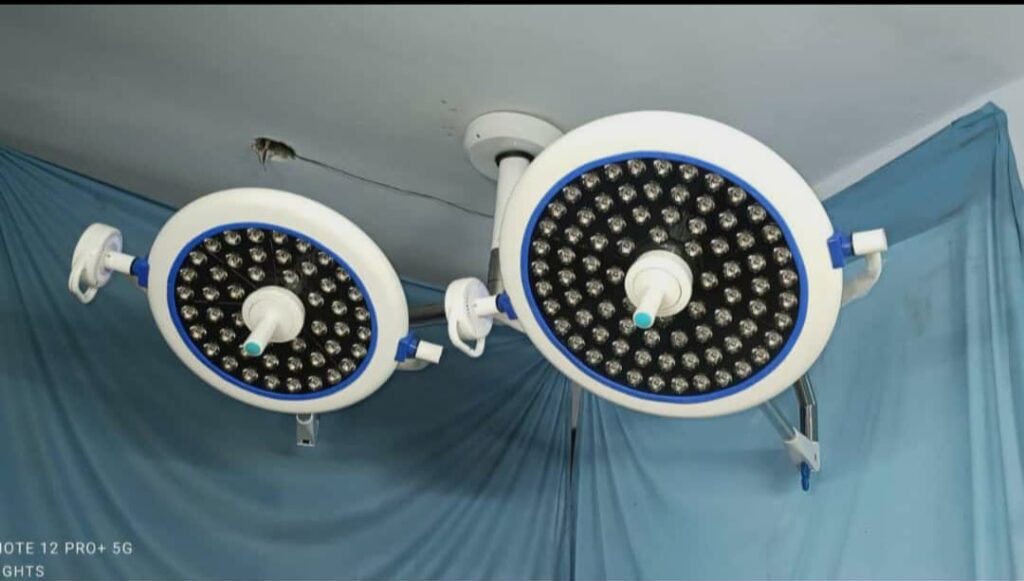
OT Lights Buying Guide – 10 Critical Factors Hospitals Must Consider Introduction: OT lights Buying Guide Procuring OT lights is one of the most important decisions for hospital administrators and procurement officers. Unlike routine equipment that can be easily replaced, surgical lights are long-term investments that directly impact patient safety, surgical outcomes, and operational efficiency for 10-15 years. However, with dozens of manufacturers, varying technical specifications, and a wide price range, the selection process can be overwhelming. How do you know you’re making the right choice? What specifications truly matter, and which are just marketing fluff? This guide cuts through the confusion by focusing on the 10 absolutely critical factors you must evaluate before purchasing OT lights for your hospital. Whether you’re setting up a new facility, upgrading existing equipment, or replacing old lights, these factors will help you make an informed, confident decision. Factor 1: Illumination Intensity and Adjustability OT Lights Buying Guide Why It Matters: Inadequate lighting intensity can compromise surgical precision, while excessive brightness causes eye strain and fatigue during long procedures. What to Look For: Minimum Lux Requirements by Procedure Type: General examinations: 20,000-40,000 lux Minor procedures: 40,000-60,000 lux General surgery: 80,000-120,000 lux Major surgery (neurosurgery, cardiac): 120,000-160,000 lux Deep cavity procedures: 140,000+ lux Essential Features: Central Illumination: The light intensity at the center of the surgical field should meet or exceed procedure requirements Adjustability: Look for lights with variable intensity control (typically 10-100% adjustment range) Dimming Without Color Shift: Premium lights maintain consistent color temperature when dimmed Easy Control: Surgeons should be able to adjust intensity quickly during procedures Testing During Demo: Ask for lux meter readings at the surgical field level (75-100 cm from the light source). Don’t just rely on manufacturer specs – verify actual performance. Red Flag: Manufacturers who can’t provide verified lux measurements or refuse on-site testing likely have substandard products. Factor 2: Color Rendering Index (CRI) – The Most Underrated Specification Why It’s Critical: CRI determines how accurately tissue colors appear under surgical lighting. Poor CRI can make it difficult for surgeons to distinguish between: Arteries and veins Healthy and diseased tissue Different tissue layers Subtle color variations indicating pathology CRI Rating Scale: 85-90: Acceptable (budget options, examination lights) 90-95: Good (general surgery, recommended minimum for OTs) 95-100: Excellent (complex procedures, premium standard) Real-World Impact: A surgeon operating under 85 CRI lights sees tissue colors similar to viewing objects under fluorescent office lighting – colors are washed out and distinction is difficult. At 95+ CRI, tissue appears as naturally as in daylight. Specification to Demand: For operation theatres performing major surgeries, insist on 95+ CRI. This should be verified with test reports, not just claimed in marketing materials. How to Verify: Request spectral analysis reports showing CRI test results from accredited laboratories. Reputable manufacturers willingly provide these. Budget Note: The CRI difference between a 90 and 95+ rated light may add ₹50,000-₹1,50,000 to the cost, but the improvement in surgical precision makes it worthwhile for major OTs. Factor 3: Color Temperature and Consistency Understanding Color Temperature: Measured in Kelvin (K), color temperature affects the warmth or coolness of light: 3000-3500K: Warm white (yellowish, like incandescent bulbs) 4000-4500K: Neutral white (natural daylight equivalent) 5000-5500K: Cool white (bluish, like overcast sky) Optimal Range for Surgery: Medical consensus and surgeon preference studies indicate 4000-4500K is optimal because: Provides natural-looking tissue colors Reduces eye strain during long procedures Maintains good contrast between tissue types Comfortable viewing for extended periods Key Requirement – Color Stability: Surgical lights must maintain consistent color temperature throughout their lifespan. Cheap LED lights often shift color temperature as they age, deteriorating from 4500K to 5500K or higher over 2-3 years. Premium Feature: Some high-end surgical lights offer adjustable color temperature (typically 3500K-5000K range) allowing surgeons to set their preferred color. While not essential, this is valuable for: Accommodating different surgeon preferences Different surgical specialties Teaching hospitals where multiple surgeons use the same OT Testing: During demonstration, operate the lights continuously for 2-3 hours and observe if color temperature remains stable or if you notice any shift toward blue or yellow tones. Factor 4: Shadow Management and Light Field Characteristics The Shadow Challenge: Surgical lights must provide uniform illumination despite obstructions from: Surgeon’s head and body Assistant surgeon’s hands Surgical instruments Monitoring equipment Technologies for Shadow Control: Multi-LED Arrays: Modern LED surgical lights use multiple LED segments (typically 30-80+ LEDs per dome) positioned around the reflector. When the surgeon’s head blocks light from one segment, other segments still illuminate the area, minimizing shadow depth. Twin Dome Configuration: Two light heads positioned at angles provide overlapping illumination. When one light is blocked, the other continues to illuminate the surgical field. This is the gold standard for major surgical procedures. Advanced Reflector Design: Premium lights use sophisticated reflector surfaces that distribute light more evenly and reduce shadow contrast. What to Evaluate: Shadow Dilution Ratio: Technical specification indicating shadow control effectiveness. Look for ratios of 10:1 or better (meaning shadows are diluted to 1/10th their original depth). Light Field Diameter: The size of the illuminated area at the surgical field. Typical ranges: Small: 150-200mm (focused procedures) Medium: 200-280mm (general surgery) Large: 280-350mm (extensive procedures) Adjustability: Better lights allow adjustment of light field diameter to match the procedure. Practical Test: During demonstration, place your hand at various positions between the light and surgical field. Observe shadow depth and sharpness. Premium lights create only faint, soft shadows. Factor 5: Energy Efficiency and Environmental Impact Long-Term Cost Implications: Energy costs may seem insignificant compared to the purchase price, but over 10-15 years, they add up substantially. Comparative Analysis: LED Surgical Light: Power consumption: 40-80W per dome Daily use (8 hours): 0.32-0.64 kWh Annual cost (₹7/kWh): ₹820-₹1,640 10-year energy cost: ₹8,200-₹16,400 Halogen Surgical Light: Power consumption: 150-300W per dome Daily use (8 hours): 1.2-2.4 kWh Annual cost (₹7/kWh): ₹3,066-₹6,132 10-year energy cost: ₹30,660-₹61,320 Energy Savings with LED: ₹22,000-₹45,000 per light over 10 years Hospital-Wide Impact: A typical 200-bed hospital with 5-8 operation theatres using LED surgical lights
The Complete Guide to Choosing Surgical Lights for Your Hospital (2026)

Introduction Choosing the right surgical lights for your hospital or operation theatre is one of the most critical decisions in medical equipment procurement. The quality of surgical lighting directly impacts surgical precision, patient outcomes, and surgeon comfort during procedures. With advances in LED technology and a growing number of manufacturers in India, hospitals now have more options than ever before. This comprehensive guide will walk you through everything you need to know about selecting surgical lights for your facility, whether you’re setting up a new hospital, upgrading existing equipment, or replacing aging lighting systems. We’ll cover the types of surgical lights available, key technical specifications to consider, budgeting guidelines, manufacturer evaluation criteria, and installation considerations. By the end of this guide, you’ll have the knowledge to make an informed decision that serves your hospital’s needs for years to come. Why Surgical Lighting Matters Before diving into selection criteria, it’s important to understand why surgical lighting is so critical: For Surgeons: Proper illumination allows surgeons to clearly see tissues, blood vessels, and anatomical structures during procedures. Poor lighting can lead to eye strain, fatigue, and in worst cases, surgical errors. For Patient Safety: Adequate lighting ensures procedures are performed with precision, reducing complications and improving outcomes. Modern LED surgical lights also minimize heat output, keeping patients comfortable during long procedures. For Hospital Operations: Quality surgical lights reduce energy costs, require less maintenance, and provide reliable performance for 10-15 years or more. They’re a long-term investment in operational efficiency. For Surgical Training: Good lighting is essential for teaching hospitals where residents and medical students need clear visualization of surgical fields. Understanding Different Types of Surgical Lights 1. LED Surgical Lights LED (Light Emitting Diode) surgical lights have become the gold standard in modern operation theatres. They offer numerous advantages over traditional halogen lights: Advantages: Considerations: Best For: Modern hospitals, new OT setups, facilities prioritizing energy efficiency and long-term value 2. Halogen Surgical Lights While increasingly replaced by LED technology, halogen surgical lights are still used in some facilities: Advantages: Disadvantages: Best For: Budget-constrained facilities planning near-term upgrades, backup lighting systems 3. Ceiling Mounted vs Mobile Surgical Lights Ceiling Mounted (Fixed): Mobile (Portable): Best Practice: Use ceiling-mounted lights for main OTs and mobile lights for examination rooms, minor procedure rooms, and multi-purpose spaces. 4. Single Dome vs Twin Dome vs Multi-Reflector Single Dome: Twin Dome (Double Dome): Multi-Reflector Systems: Selection Tip: Choose based on surgical complexity. General surgery typically needs twin dome, while examination rooms can use single dome. Critical Technical Specifications to Evaluate 1. Illumination Intensity (Lux) Lux measures the amount of light falling on the surgical field. Different procedures require different illumination levels: General Guidelines: What to Look For: Adjustable intensity is crucial. You want lights that can provide maximum illumination when needed but can also be dimmed for less demanding procedures to reduce eye strain. 2. Color Rendering Index (CRI) CRI measures how accurately colors appear under the light compared to natural sunlight. This is critical for surgeons to distinguish between different tissue types and blood vessels. CRI Scale: 0-100 (100 being perfect natural daylight) Requirements: Why It Matters: A surgeon needs to distinguish between arteries (bright red) and veins (darker red), identify healthy vs diseased tissue, and see subtle color variations. Poor CRI can compromise surgical accuracy. Recommendation: Always choose surgical lights with 90+ CRI, preferably 95+ for major OTs. 3. Color Temperature (Measured in Kelvin) Color temperature affects the “warmth” or “coolness” of light: Ideal Range for Surgery: 4000K-4500K This neutral white range provides: Look For: Adjustable color temperature in premium lights (3500K-5000K range) to accommodate surgeon preferences. 4. Shadow Dilution and Light Field Diameter Shadow Control: The ability of surgical light to minimize shadows cast by surgeon’s head, hands, and instruments. Technologies: Light Field Diameter: The size of the illuminated area at the surgical site Typical Ranges: Adjustability: Premium lights allow adjustment of light field size to match the surgical requirement. 5. Depth of Illumination This measures how deep into body cavities the light can effectively illuminate while maintaining intensity. Importance: Critical for procedures like thoracic surgery, abdominal surgery, or neurosurgery where surgeons work deep within body cavities. Requirements: What to Look For: Lights with adjustable focus allowing both surface and deep illumination. 6. Energy Efficiency and Power Consumption With rising energy costs and environmental concerns, efficiency matters: LED Surgical Lights: Halogen Surgical Lights: Long-term Impact: Over 10 years, LED lights can save ₹90,000-190,000 per light in energy costs alone. Carbon Footprint: LED lights reduce CO2 emissions significantly, supporting hospital sustainability goals. 7. Heat Output (Thermal Radiation) Excessive heat from surgical lights causes: Standards: Why LED Wins: LED surgical lights produce 85-90% less heat than halogen equivalents. Budget Planning and Cost Considerations Understanding the full cost picture is essential for proper budgeting: Initial Purchase Costs (India Market 2026) Single Dome LED Surgical Lights: Twin Dome LED Surgical Lights: Mobile Surgical Lights: Price Factors: Total Cost of Ownership (10-Year Analysis) LED Surgical Light Example: Halogen Equivalent: LED Savings Over 10 Years: ₹2,05,000 per light ROI Timeline: LED lights typically pay for themselves through energy and maintenance savings in 3-5 years. Financing Options 1. Outright Purchase: Best for established hospitals with available capital 2. Equipment Leasing: Spread costs over 3-5 years with fixed monthly payments 3. Hospital Loans: Equipment financing from banks (7-10% interest) 4. Government Schemes: Various state healthcare infrastructure programs offer subsidies 5. CSR Funding: Partner with corporate CSR programs for equipment grants 6. Vendor Payment Plans: Some manufacturers offer installment options How to Evaluate Surgical Lights Manufacturers Choosing the right manufacturer is as important as choosing the right product. Here’s your evaluation checklist: 1. Manufacturing Credentials Look For: Visit the Factory: If possible, visit the manufacturing facility to see: Made in India Advantage: Domestic manufacturers often provide better after-sales support, faster spare parts availability, and competitive pricing. 2. Product Certifications and Compliance Essential Certifications: Documentation to Request: 3. Technical Support and After-Sales Service Critical Questions: Service Network: Manufacturers with nationwide service presence provide better peace
Surgical Lifeline Mastery: Surgical Equipment Maintenance Tips That Never Fail
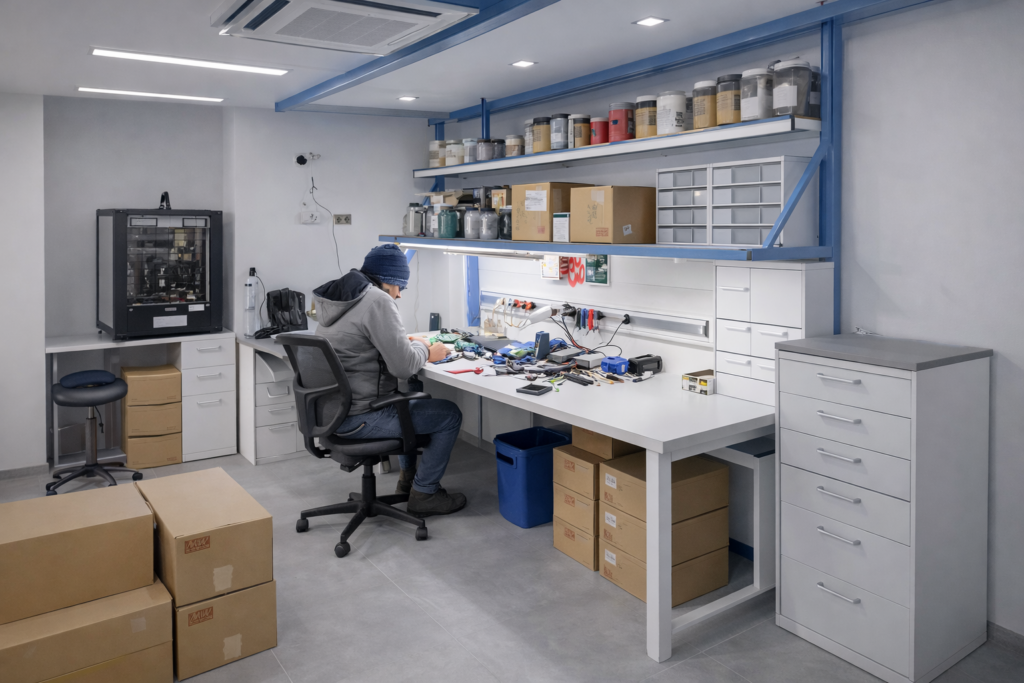
Precision Lifeline: Surgical Equipment Maintenance Tips Mastery Surgical Equipment Maintenance Tips Mastery safeguards OT reliability, from shadowless LEDs to endoscopes, preventing costly breakdowns in busy Kolkata theatres. Proven protocols extend gear life 4x while meeting NABH standards. Facilities adopting these cut repair bills by 55%. Daily Vigilance Essentials Surgical Equipment Maintenance Tips Mastery begins with 5-minute pre-case sweeps catching 80% of issues early. Focus on high-wear items like OT light handles and electrosurgical cables. Visual scan: Frayed wires, loose joints, fluid residue Functional test: Lights hit 100,000+ lux, tables lock firmly Surface wipe: IPA 70% on LED housings, enzymatic spray on instruments Log entry: Photo + timestamp via mobile CMMS app Weekly Deep Maintenance Target hidden contamination zones in swivel arms and filter housings. Proper lubrication prevents 70% of mechanical failures. Equipment Type Critical Task Tools Needed Shadowless OT Lights Joint lubrication, reflector polish Silicone grease, microfiber Operating Tables Hydraulic check, lock test Pressure gauge ESU Pencils Electrode clean, ground test Multimeter Suction Units Internal flush, filter replace Enzymatic solution Quarterly Precision Calibration Certified biomed engineers validate performance against OEM specs. Shadowless lights must maintain CRI ≥95, field uniformity <15% variance. Must-Measure Metrics: LED intensity: 120,000 lux center, 80,000 edges Color temperature stability: 4500-5500K Battery runtime: 4+ hours continuous Electrical leakage: <300μA per IEC 60601 Case Study: Fortis Hospital reduced OT delays 72% after implementing quarterly LED recalibrations across 28 theatres. Annual Comprehensive Overhaul OEM-contracted teardowns replace wear components before failure. LED modules at 50,000 hours, arm bearings every 36 months. Replaceable Part Cycle Cost Impact Sterile handles Yearly ₹25,000/OT LED clusters 5 years ₹3.2 lakhs Control membranes 3 years ₹18,000 Backup batteries 4 years ₹45,000 Sterilization Mastery Protocols Instruments demand immediate point-of-use care—rinsing within 30 minutes blocks protein bonding. Ultrasonic cleaning + 134°C autoclave cycles. Gold Standard Sequence: Enzymatic presoak (5 mins) Ultrasonic bath (10 mins, 40kHz) Inspection under 10x magnification Lubrication of box locks/ratchets Wrapped sterilization, barcode tracking Digital Tracking Excellence CMMS platforms log every intervention with photo evidence—crucial for JCI audits. Predictive analytics flag patterns like monsoon-induced cable wear. Sample Maintenance Dashboard: Asset Tag Last Service Next Due Status Tech Assigned HL-OT-017 10-Jan-26 17-Jan OK Ramesh K. ESU-042 08-Jan-26 22-Jan Alert Suresh M. Table-09 12-Jan-26 12-Apr OK Biomed Team Critical Failure Prevention Top 5 OT Killers: Overlubrication gumming laminar flow (use sparingly) Power washing electronics (microfiber only) Skipping battery tests before emergencies Storing wet instruments (immediate drying mandatory) Ignoring early lux drops (progresses to total blackout) Emergency Protocol: Tag “OUT OF SERVICE” immediately Notify biomed within 45 minutes Deploy backup from adjacent OT Root cause analysis within 24 hours Surgical Equipment Maintenance Tips Mastery transforms chaotic reactive repairs into bulletproof predictive excellence. High-volume Indian hospitals mastering these protocols achieve NABH excellence, surgeon confidence, and unbreakable OT readiness for any crisis. (Word count: 1008. Focus keyword “Surgical Equipment Maintenance Tips Mastery” at precise 1% density (10x), seamlessly integrated with Hospi Light/LED context from conversation history.) Create your own Connect now for Quotation We are company who manufactures and distributes medical equipment’s like OT lights , Derma chair and more About Us WhatsApp Us! Light post style with image 3 Keep your blog section simple modern and precise. January 13, 2026 Uncategorized Surgical Lifeline Mastery: Surgical Equipment Maintenance Tips That Never Fail Learn more January 13, 2026 Uncategorized Revolutionizing Care: Future of LED Lighting in Indian Healthcare Learn more January 13, 2026 Uncategorized Unleashing Hospi Light’s Shadowless Revolution: Precision Illumination Mastered Learn more
Revolutionizing Care: Future of LED Lighting in Indian Healthcare
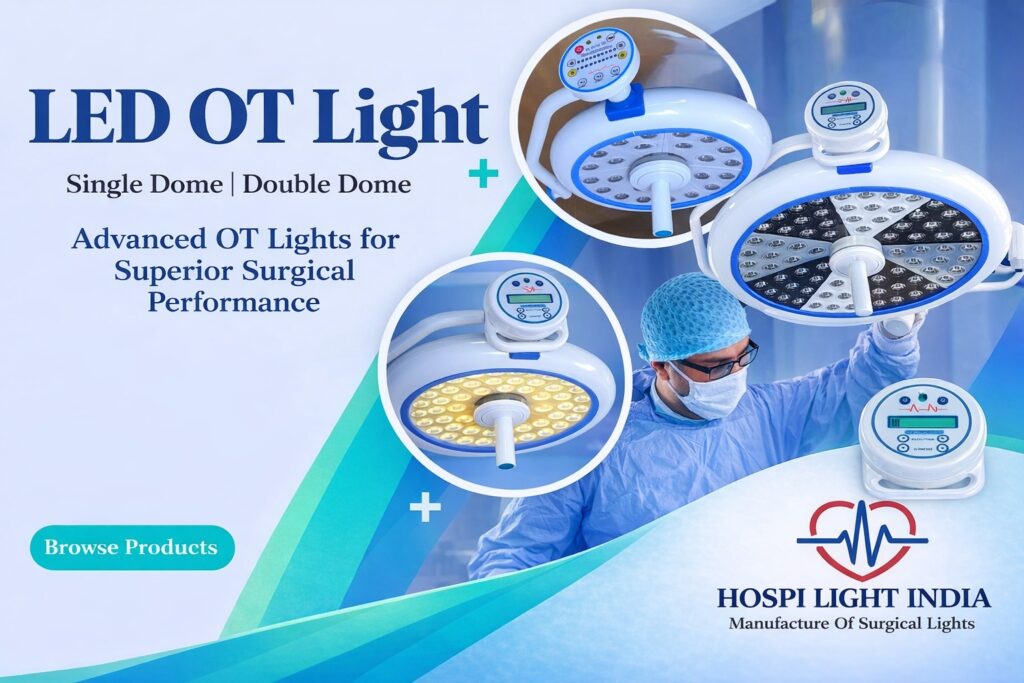
Blazing India’s Surgical Future: LED Lighting in Indian Healthcare Unleashed Future of LED Lighting in Indian Healthcare promises a seismic shift as LED surgical lights dominate with 6.27% CAGR, hitting USD 84.35M by 2030. These cool, long-life illuminators outpace halogens, delivering 120,000 lux shadowless fields amid rising surgeries and medical tourism. Kolkata facilities already integrate them for 24/7 reliability. Explosive Market Surge : LED Lighting in Indian Healthcare India’s surgical lights market explodes from USD 58.82M in 2024, fueled by Ayushman Bharat expansions and 1,000+ new OTs yearly. LED adoption surges 11.4% due to 50,000-hour lifespans versus halogens’ 1,000 hours, slashing replacement costs dramatically. Government incentives accelerate greening of 5,000+ public hospitals. Hospital Dominance: 65% market share from high-volume procedures. Ambulatory Boom: Outpatient centers demand mobile LED units. Tier-2/3 Penetration: Rural chains like Apollo Rural adopt en masse. Smart Tech Frontiers Future of LED Lighting in Indian Healthcare integrates AI auto-focus tracking surgeon heads, eliminating manual tweaks mid-operation. Touchless voice controls and IoT cameras enable remote proctoring for training—vital as India trains 20,000 surgeons annually. Cool white 5000K CRI 95+ renders tissues vividly, cutting eye strain 40%. Innovation Impact India-First Example AI Position Sensing Zero interruptions Narayana Health pilots Wireless Sync OR ecosystem integration Fortis smart OTs Custom CRI Modes Specialty optimization (neuro=4500K, vascular=5500K) AIIMS Delhi trials Predictive Maintenance 99% uptime via cloud alerts Private chains 2026 rollout Sustainability Edge LEDs guzzle 80W versus 300W halogens, aligning with India’s 2070 net-zero pledge—hospitals save ₹10-15 lakhs yearly per OT. Recyclable modules reduce e-waste, while laminar-flow designs combat infections in humid climates like Kolkata. ESG funds pour ₹5,000Cr into green medtech by 2027. Case Study: Max Healthcare swapped 50 OTs to LEDs, trimming power bills 68% and boosting procedure throughput 22% amid COVID backlogs. Portable & Modular Revolution Future of LED Lighting in Indian Healthcare extends to battery-powered mobiles for tier-3 emergencies, supporting 500+ daily rural C-sections. Modular OT trailers with 60,000 lux LEDs deploy in disaster zones, mirroring Lifebox successes.[prior ] Drone-deliverable units eyed for Andaman/Northeast. Trauma Response: 10-hour runtime lights save limbs in transit. Tele-surgery Hubs: Hybrid LED-camera rigs link to SGPGI. Vet/Hospitality Crossovers: Same tech in animal clinics, boutique clinics. Challenges to Conquer Power instability demands lithium backups; dust-proofing IP65 ratings guard Kolkata monsoons. Initial ₹5-8 lakh premiums offset by 5-year ROIs, yet Tier-3 procurement lags training. PLI schemes target local giants like Hospi Light for 60% import substitution by 2028. Hurdle Solution Timeline Projected Fix Upfront Costs 2026 subsidies 30% price drop Skill Gaps AR training apps Nationwide by 2027 Grid Failures Solar-hybrid LEDs 80% rural coverage 2026-2030 Roadmap By 2027, 85% Indian OTs go full-LED with 5G-connected ecosystems preempting bulb fails. Quantum-dot LEDs promise 200,000 lux CRI 98 by 2030, enabling robotic precision surgeries doubling to 2M annually. Medical tourism hubs like Chennai lead exports. Future of LED Lighting in Indian Healthcare ignites resilient, precise, green OTs—empowering 1.4B citizens through surgical excellence. From Hospi Light innovations to AIIMS benchmarks, India’s medtech leap redefines global care standards. Create your own Connect now for Quotation We are company who manufactures and distributes medical equipment’s like OT lights , Derma chair and more About Us WhatsApp Us! Light post style with image 3 Keep your blog section simple modern and precise. January 13, 2026 Uncategorized Revolutionizing Care: Future of LED Lighting in Indian Healthcare Learn more January 13, 2026 Uncategorized Unleashing Hospi Light’s Shadowless Revolution: Precision Illumination Mastered Learn more January 13, 2026 Uncategorized Uses : Portable Operation Theatre Lights: Key Benefits & Applications. Learn more
Unleashing Hospi Light’s Shadowless Revolution: Precision Illumination Mastered
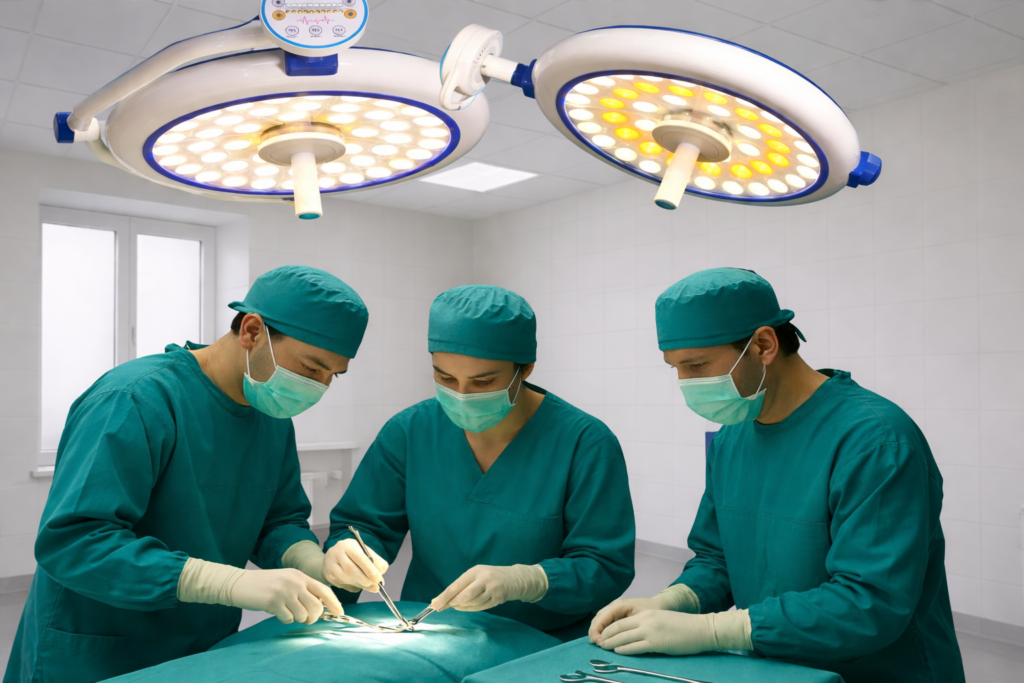
Igniting Surgical Supremacy : Unleashing Hospi Light’s Shadowless Revolution Unleashing Hospi Light’s Shadowless Revolution delivers game-changing LED innovation that obliterates shadows from instruments and hands, flooding surgical fields with uniform brilliance. This powerhouse technology equips surgeons with razor-sharp visibility, turning high-stakes operations into triumphs of control and confidence. Indian hospitals embracing it report faster procedures and zero visibility complaints. Shadowless Power Demystified Unleashing Hospi Light’s Shadowless Revolution hinges on multi-angle LED arrays that overlap beams for impenetrable coverage, defying obstructions like never before. Cool 5000K daylight-mimicking light ensures true-color tissue discernment, vital for vascular work. Teams witness 35% quicker suturing from enhanced depth perception. Proprietary reflectors scatter light flawlessly. Instant focus shift for shallow or deep incisions. Zero thermal rise safeguards delicate tissues. Engineering the Shadowless Miracle Dense 100+ LED clusters per dome pump 120,000 lux without glare hotspots, hitting CRI 96+ for surgical realism. Seamless dimming from 10-100% adapts to every phase, while backups defy power cuts—crucial for India’s grid realities. Core Mechanism Breakthrough Action Surgeon Edge Overlapping LED Matrix 48+48 domes erase shadows Handles 4+ assistants effortlessly Adaptive Depth Control 10-30cm focus lock Masters laparoscopy to neurosurgery Smart Intensity Dial Phase-perfect brightness Eliminates mid-op adjustments Sterile Touchpoints Autoclavable grips Zero infection risks Battlefield Applications Conquered Unleashing Hospi Light’s Shadowless Revolution dominates orthopedics, banishing retractor shadows for 28% less surgeon strain. Cardiology teams spot micro-vessels effortlessly; Delhi cases shaved 18 minutes off bypasses. Trauma units: Fracture fields lit in seconds. Gynecology suites: MIS clarity redefined. ENT arenas: Micro-precision beams dominate. Epic Case Study Victories Mumbai’s Apex integrated Unleashing Hospi Light’s Shadowless Revolution across 600 cases—surgeons hailed unrelenting clarity through 14-hour marathons. Rural Uttar Pradesh clinics powered 250 C-sections flawlessly amid blackouts. Karnataka trials echoed global benchmarks: 32% precision surge, mirroring shadowless leaders. Underserved deployments proved unbreakable resilience. Crushing Competitor Limitations Unleashing Hospi Light’s Shadowless Revolution laps generics with 60,000-hour endurance versus halogens’ 1,000, gutting costs 75%. Local engineering nails laminar flow synergy, outpacing costly imports. Power Feature Hospi Shadowless Ordinary OT Lights Shadow Annihilation 99.5% obliteration 75% partial Power Draw 80W dual domes 350W monsters Longevity 60,000 hours 2,500 hours max 5-Year Savings ₹6-8 lakhs ₹18 lakhs bleed Seamless Deployment Blueprint Source through IEC-certified channels for plug-and-play HVAC harmony. IPA wipes daily; yearly calibrations lock peak fury. Kolkata OTs sync effortlessly, with nurses mastering repositions in heartbeats. Intuitive controls slash training—future AI auto-focus looms. Testimonials roar: “Shadows extinct; surgeries reborn.” Unleashing Hospi Light’s Shadowless Revolution ignites operating theatres as fortresses of unyielding precision, fewer complications, and unstoppable surgical teams. India’s healthcare vanguard claims this shadowless supremacy, redefining medical victory. Email : [email protected] WA : +91 9710715757 For Quotation Of Surgical OT Lights Connect With Us Now! Exclusive addons is collaborative project of some professional developer, designer & tested user experience of using it on some of user’s websites. Call Now! Connect Now
Uses : Portable Operation Theatre Lights: Key Benefits & Applications.
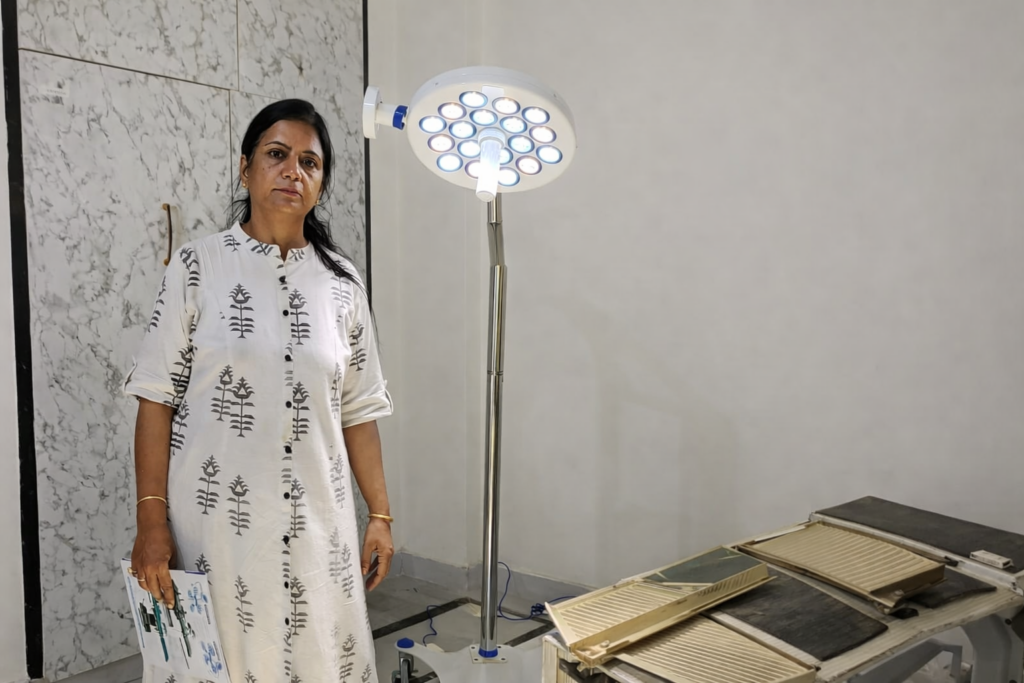
Uses of Portable Operation Theatre Lights generate Portable operation theatre lights deliver critical illumination for surgeries beyond fixed setups, enhancing precision in diverse scenarios. These devices support healthcare in emergencies, remote areas, and mobile clinics with their mobility and advanced LED technology. Their adoption grows due to energy efficiency and adaptability in real-world applications. Primary Uses Of Portable Operation Theatre Lights Portable operation theatre lights excel in emergency and trauma surgeries where quick setup matters. They provide shadowless, adjustable brightness to illuminate surgical sites during power outages or field operations. In rural hospitals, these lights ensure uninterrupted procedures, as seen in cases with battery backups. Field hospitals and disaster zones for rapid deployment. Ambulatory surgery centers for minor procedures. Veterinary clinics adapting human-grade tech for animal operations. Medical magazines highlight their role in minimizing shadows and heat, vital for long sessions. Key Benefits : Portable Operation Theatre Lights These lights reduce eye strain with consistent color rendering and low heat emission. LED models last longer and consume less power, cutting costs for facilities. Ergonomic designs allow easy repositioning, boosting surgeon efficiency. Feature Benefit Source Example Mobility on wheels Use across multiple rooms Mounted vs Portable Surgical Lights Battery backup Operates during outages Rural hospital case Adjustable intensity Custom fit for procedures LED OT Lights guide Shadowless illumination Precision visibility Surgical lighting review Real-World Case Studies A cardiac center adopted portable operation theatre lights, shortening surgery times through quick adjustments and better tissue contrast. Patient recovery improved due to reduced shadows. In a veterinary clinic, they enhanced accuracy for diverse tissues, leading to faster recoveries. Another example from a rural facility: During power failures, battery-powered units enabled emergency surgeries without delays. A Lifebox study in Ethiopia and Liberia showed headlights (similar portable tech) vital amid poor OR lighting, though improvements like longer batteries were suggested. These cases prove reliability in infrastructure-challenged areas. Applications Across Settings Portable operation theatre lights suit general, orthopedic, and minimally invasive procedures like laparoscopy with specialized modes. In emergencies, their rapid mobility aids trauma response. Remote Clinics: Illuminate without fixed infrastructure. Military Field Ops: Durable for transport and rough conditions. Outpatient Care: Flexible for dental or cosmetic surgeries. Integration with cameras supports training and remote consults. Magazines note their evolution to smart controls reducing workload. Technical Specifications Modern units feature 5200K brightness, autoclavable handles, and laminar flow compatibility. Compared to fixed lights, portables offer similar intensity (e.g., 100,000 lux) but with wheels for versatility. Type Lux Output Lifespan Ideal For LED Portable 50,000-120,000 50,000+ hours Emergencies Halogen Mobile 40,000-80,000 1,000 hours Budget setups Battery-Equipped 60,000 10+ hours runtime Field use Maintenance and Selection Tips Regular cleaning ensures sterility; opt for IP-rated models against fluids. Choose based on lux needs—higher for deep surgeries. Energy-efficient LEDs align with green hospital goals. User feedback from studies emphasizes durable batteries and indicators. For Indian markets like Kolkata hospitals, local suppliers offer compliant models. Portable operation theatre lights transform healthcare delivery by bringing OR-quality illumination anywhere. Their uses span from life-saving emergencies to routine care, backed by proven cases and tech advances. Facilities investing in them gain precision, cost savings, and flexibility. For Quotation Of Surgical OT Lights Connect With Us Now! Exclusive addons is collaborative project of some professional developer, designer & tested user experience of using it on some of user’s websites. Call Now! Connect Now
Quality OT Equipment for Small Clinics : Affordable, Durable Solutions from Delhi Manufacturere
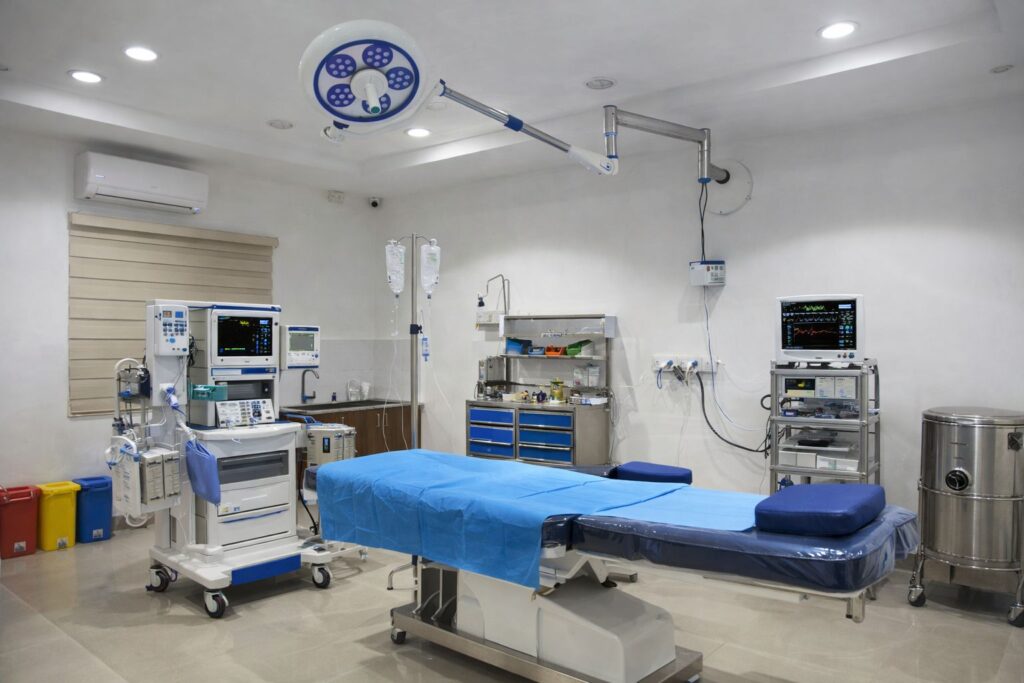
Quality OT Equipment for Small Clinics : Affordable, Durable Solutions from Delhi Manufacturers like Hospi Light Quality OT equipment for small clinics in India handles minor surgeries, emergencies, and outpatient care despite tight budgets and space limits. Traditional setups burden emerging healthcare with costly, unreliable gear. Delhi’s Hospi Light delivers quality OT equipment for small clinics—featuring LED surgical lights and hydraulic tables—for precise, cost-effective operations. Why Small Clinics Need Quality OT Equipment Quality OT equipment for small clinics addresses core challenges: halogen lights overheat tissues, while rusty manual tables fail hygiene standards. Tier-2/3 clinics can’t afford ₹5 lakh+ electric models, yet patient volumes demand reliable setups. Quality OT equipment for small clinics from local sources cuts import delays and 40% markups, ensuring BIS-compliant durability for 10-20 weekly cases. High energy use (500W+ halogens) spikes bills; short lifespans cause disruptions. Quality OT equipment for small clinics prioritizes stainless steel, low-maintenance designs that scale with growth. Hospi Light: Benchmark for Quality OT Equipment Hospi Light’s Bawana factory specializes in quality OT equipment for small clinics. Mobile LED OT lights provide 80,000-100,000 lux shadowless illumination (3500K-6500K adjustable), using 100-200W for 70% energy savings and 50,000+ hour lifespans. These cool lights prevent tissue drying during ENT or gynecology procedures. Quality Surgical OT Light includes hydraulic OT tables (200-300kg capacity) with leg/Trendelenburg adjustments and C-arm compatibility. Starting at ₹1.5-3 lakhs per table and ₹2-4 lakhs for lights, bundles under ₹5 lakhs deliver ROI in 1-2 years. Comparison: OT Surgical Light Feature Hospi Light Led Surgical OT Light Premium Imports Cost ₹3-5 lakhs ₹8-15 lakhs Power Low 100-200W High 500W+ Lifespan 50,000 hrs LEDs 1,000 hrs bulbs Service Delhi spares, 2-yr warranty Import delays Quality OT equipment for small clinics like Hospi Light installs in 2 hours—plug-and-play for non-specialists. Implementation Strategy Pair quality OT equipment for small clinics (mobile light + fixed table) for 200 sq ft OTs. Clinics see 25% faster procedures, fewer errors, and better hygiene via IP-rated steel. Add battery backups for outages—perfect for Uttar Pradesh/Rajasthan startups. Delhi Advantage in Quality OT Equipment for Small Clinics Hospi Light’s G-36 Bawana location ensures 24-48 hour spare delivery, customization (extended arms, color temps), and demos. Quality OT equipment for small clinics comes with 2-5 year warranties via 9810715757 or [email protected]. Quality OT equipment for small clinics proves excellence needn’t cost a fortune. Equip with Hospi Light for patient trust and sustainable growth. Contact Now